
Elegant Porcelain Tea Cup and Saucer Sets: Perfect for Afternoon Tea
Featured Snippet: An elegant porcelain tea cup and saucer set is the quintessential centerpiece for any traditional afternoon tea, offering a delicate balance of aesthetic beauty, superior heat retent

Featured Snippet: An elegant porcelain tea cup and saucer set is the quintessential centerpiece for any traditional afternoon tea, offering a delicate balance of aesthetic beauty, superior heat retention, and a refined tasting experience. Crafted from high-fired kaolin clay, true porcelain provides a non-porous, translucent surface that preserves the authentic flavor profile of delicate tea blends without absorbing bitter tannins. Whether you are hosting a formal gathering or enjoying a solitary moment of reflection, investing in premium teaware—such as the curated collections available at cerlum1384.com—elevates your daily tea-drinking ritual by merging centuries-old craftsmanship with modern, sophisticated design.
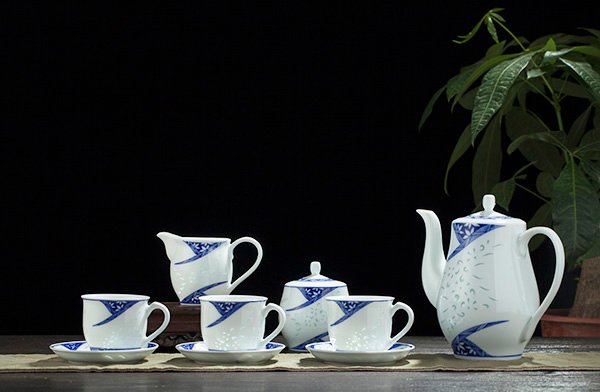
Table of Contents
1. The Timeless Appeal of Porcelain Teaware
The ritual of afternoon tea is intrinsically linked to the vessels from which the tea is consumed. For centuries, elegant porcelain tea cup and saucer sets have been revered as the pinnacle of dining sophistication. Unlike standard coffee mugs or thick ceramic cups, porcelain teaware offers a delicate, almost ethereal quality that transforms the simple act of drinking tea into a multi-sensory experience. The smooth, glass-like glaze of a high-quality porcelain cup feels incredibly refined against the lips, allowing the drinker to focus entirely on the complex notes of the beverage. At cerlum1384.com, we recognize that true elegance lies in the details—from the gentle curve of the cup’s handle to the precise indentation of the saucer that prevents unwanted slipping.
1.1 A Brief History of Afternoon Tea Culture
To fully appreciate the value of a fine tea service, one must understand its origins. The concept of afternoon tea was popularized in the 1840s by Anna, the Duchess of Bedford, who sought a light meal to bridge the long gap between lunch and dinner. What began as a private snack in her boudoir quickly evolved into a fashionable social event among the British aristocracy. As the tradition grew, so did the demand for exquisite teaware. European artisans began striving to replicate the coveted, translucent “white gold” imported from China. This pursuit of perfection led to the development of European porcelain, which quickly became a status symbol. Today, setting a table with a beautiful porcelain set is a nod to this rich heritage, allowing modern hosts to capture the same aristocratic charm and leisurely pace of the Victorian era.
1.2 Why Porcelain is the Ultimate Choice for Tea Enthusiasts
What makes porcelain the definitive choice for serious tea drinkers? The answer lies in its unique composition and manufacturing process. Traditional porcelain is made from a specific blend of kaolin clay, feldspar, and quartz, which is fired at exceptionally high temperatures (often exceeding 1,200°C). This intense vitrification process results in a material that is incredibly dense, completely non-porous, and remarkably strong despite its delicate appearance. Because it is non-porous, porcelain will never absorb the flavors or aromas of past brews, ensuring that your delicate Darjeeling tastes exactly as it should, without any lingering notes from yesterday’s robust Earl Grey. Furthermore, porcelain’s thermal properties allow it to retain heat efficiently, keeping your tea at the optimal brewing and drinking temperature for a longer period.
2. Decoding the Materials: Porcelain vs. Bone China vs. Ceramic
When searching for the best porcelain tea cups for afternoon tea, consumers frequently encounter confusing terminology. Understanding the distinctions between standard ceramic, hard-paste porcelain, and bone china is crucial for making an informed investment. While all three fall under the umbrella of pottery, their durability, translucency, and everyday functionality vary significantly. Below is a comprehensive comparison to help you navigate your next purchase at cerlum1384.com.
| Feature | Standard Ceramic / Stoneware | Hard-Paste Porcelain | Fine Bone China |
|---|---|---|---|
| Composition | Earthen clay fired at lower temperatures. | Kaolin clay, feldspar, and quartz fired at ~1,300°C. | Kaolin, feldspar, and up to 50% bone ash. |
| Appearance & Texture | Opaque, thicker, and heavier. Rustic aesthetic. | Bright white, translucent when held to light, smooth finish. | Slightly warmer/milky white, highly translucent, very delicate look. |
| Durability | Prone to chipping; can crack under sudden temperature shifts. | Highly chip-resistant, excellent thermal shock resistance. | Strongest of all ceramics despite its thinness, due to bone ash. |
| Best Use Case | Casual daily coffee, rustic table settings. | Formal afternoon tea, high-end daily use, elegant gifting. | Heirloom collections, special occasions, luxury dining. |
3. How to Choose the Perfect Tea Cup and Saucer Set
Selecting the ideal teaware requires balancing aesthetic preferences with functional requirements. A well-chosen set does more than just look pretty; it actively enhances the sensory enjoyment of the tea. When exploring the extensive catalog at our official website, cerlum1384.com, several factors should guide your decision-making process. From the volume of the cup to the curvature of the lip, every architectural element plays a role in the perfect pour.
3.1 Evaluating Capacity, Shape, and Ergonomics
Unlike coffee mugs, which are designed to hold large volumes of liquid, traditional tea cups are intentionally smaller, typically holding between 5 to 8 ounces (150 to 240 ml). This smaller capacity ensures that the tea is consumed while it is still hot and fresh, encouraging the host to pour multiple small, steaming servings. The shape of the cup also influences the tasting experience. A wider, shallower bowl allows the tea to cool slightly faster, which is ideal for delicate white and green teas that can turn bitter if kept too hot. Conversely, a taller, narrower cup retains heat longer, making it perfect for robust black teas. Additionally, the handle must offer a comfortable, secure pinch-grip, allowing the user to lift the cup elegantly without touching the hot body of the porcelain.
3.2 Aesthetic Themes: From Vintage Floral to Modern Minimalist
The visual design of your tea cup and saucer sets establishes the ambiance of your entire afternoon tea party. For those who adore traditional British elegance, vintage-inspired sets featuring intricate floral motifs, pastel color palettes, and 24-karat gold banding are an absolute must. These designs evoke a sense of nostalgia and romanticism. On the other hand, contemporary hosts might gravitate toward modern minimalist sets, characterized by stark white porcelain, geometric shapes, and subtle platinum trims. At cerlum1384.com, we curate collections that span the entire spectrum of design, ensuring that whether you are hosting a whimsical garden tea party or a sleek, urban high tea, you will find the perfect aesthetic match to complement your interior decor.
4. Hosting the Perfect Afternoon Tea with Cerlum1384
How do you host a traditional afternoon tea that leaves a lasting impression on your guests? The secret lies in the orchestration of the event—the harmonious blending of exquisite food, premium teas, and impeccable table settings. Afternoon tea is a theatrical performance of hospitality, and your porcelain teaware serves as the lead actor on your dining table. By paying attention to the minutiae of your presentation, you can elevate a simple afternoon gathering into a memorable, luxurious affair.
4.1 Setting the Table with Elegance and Grace
A properly set tea table is a visual feast. Begin with a crisp, high-quality linen tablecloth to serve as a blank canvas for your porcelain. Place your saucer squarely in front of the guest’s chair, with the tea cup resting perfectly in the center well. The handle of the tea cup should point to the right, typically positioned at the “3 o’clock” angle. A small tea spoon should rest on the saucer behind the cup, its handle also pointing to the right. To complete the setting, incorporate a multi-tiered cake stand filled with finger sandwiches, warm scones, and delicate pastries. Utilizing a matching porcelain teapot, sugar bowl, and cream pitcher from cerlum1384.com creates a cohesive, highly polished look that demonstrates your exceptional attention to detail.
4.2 Pairing Specific Teas with the Right Cups
True connoisseurs understand that different teas require different vessels to reach their full potential. For highly aromatic teas, such as a First Flush Darjeeling or a floral Jasmine Pearl, choose porcelain cups with a flared rim. This outward curve directs the tea to the front of the palate, highlighting its sweetness, while allowing the complex bouquet of aromas to waft upward toward the nose. For full-bodied, malty teas like Assam or a strong Irish Breakfast—which are often enjoyed with a splash of milk—a cup with a slightly thicker rim and a deeper bowl is preferable. The thicker porcelain retains the heat necessary to keep milk-infused teas at a comforting temperature, ensuring a robust and satisfying sip from start to finish.
5. Caring for Your Elegant Porcelain Tea Sets
How do you care for fine porcelain saucers and cups to ensure they last for generations? While high-fired porcelain is inherently durable, the decorative elements—such as hand-painted glazes, metallic gold rims, and delicate handles—require mindful maintenance. Treating your teaware with respect not only preserves its structural integrity but also maintains its pristine, glossy finish. A well-maintained tea set from our company can easily become a cherished family heirloom.
5.1 Proper Washing and Drying Techniques
The golden rule for maintaining elegant porcelain tea cup and saucer sets is to always hand wash them. Even if a product claims to be “dishwasher safe,” the harsh abrasive detergents and extreme heat cycles of modern dishwashers will eventually dull the glaze and fade any metallic accents. Wash your cups in warm—not boiling—water using a mild, unscented liquid dish soap. Use a soft sponge or a microfiber cloth to gently wipe away tea stains; never use steel wool or abrasive scouring pads. If you encounter stubborn tannin stains from black tea, create a paste of baking soda and water, apply it gently to the stained area, and let it sit for ten minutes before rinsing. After washing, immediately dry your teaware with a lint-free linen or cotton towel to prevent hard water spots from forming.
5.2 Long-term Storage Solutions for Fine China
When your tea sets are not actively in use, proper storage is paramount to prevent accidental chipping or scratching. Never stack porcelain tea cups directly on top of one another without protection, as the unglazed foot ring of the top cup can scratch the delicate interior glaze of the cup beneath it. If you must stack them, place a piece of felt, a paper coffee filter, or a specialized china protector between each piece. Saucers should be stored in the same manner. For those who own extensive, highly valuable sets from cerlum1384.com, consider investing in padded, zippered storage cases designed specifically for fine china. Furthermore, avoid hanging tea cups by their handles on display hooks, as this puts undue stress on the weakest joint of the cup, increasing the risk of breakage over time.
6. Frequently Asked Questions (FAQs)
What is the difference between a tea cup and a coffee cup?
While they may seem similar, tea cups and coffee cups are designed with distinct purposes in mind. Tea cups are generally smaller (5-8 oz), feature wider brims to let delicate teas cool to a drinkable temperature, and often sit on a matching saucer. Coffee cups or mugs are typically larger (8-15 oz), cylindrical, have thicker walls to retain intense heat, and usually do not come with saucers.
Can you put porcelain tea cups in the microwave?
Pure, undecorated porcelain is generally microwave safe due to its high firing temperature. However, many elegant porcelain tea cup and saucer sets feature gold, platinum, or metallic trims. Never put metallic-trimmed teaware in the microwave, as it will spark, ruin the cup, and potentially damage your appliance. Always check the manufacturer’s guidelines before microwaving.
Why do some tea cups have such thin rims?
A thin, fine rim on a porcelain tea cup is a hallmark of high-quality craftsmanship. It minimizes the physical barrier between the tea and your palate, allowing for a more direct, refined tasting experience. The smooth, non-porous nature of a thin porcelain rim enhances the perception of the tea’s delicate flavors and textures.