
Dishwasher Safe Ceramic Bowls: What to Look for in Quality Glaze
What makes a ceramic bowl dishwasher safe? A truly dishwasher safe ceramic bowl is crafted from high-fired clay, such as stoneware or porcelain, and coated with a properly formulated, vitrified glaze.

What makes a ceramic bowl dishwasher safe? A truly dishwasher safe ceramic bowl is crafted from high-fired clay, such as stoneware or porcelain, and coated with a properly formulated, vitrified glaze. This high-temperature firing process ensures the clay body is dense and non-porous, while the glaze chemically bonds to the surface, creating a waterproof, scratch-resistant barrier. To ensure your dinnerware can withstand the harsh heat and abrasive detergents of a dishwasher cycle, look for a smooth, unblemished surface free of crazing (tiny cracks), a clear manufacturer’s mark indicating dishwasher safety, and non-toxic, lead-free material compositions.
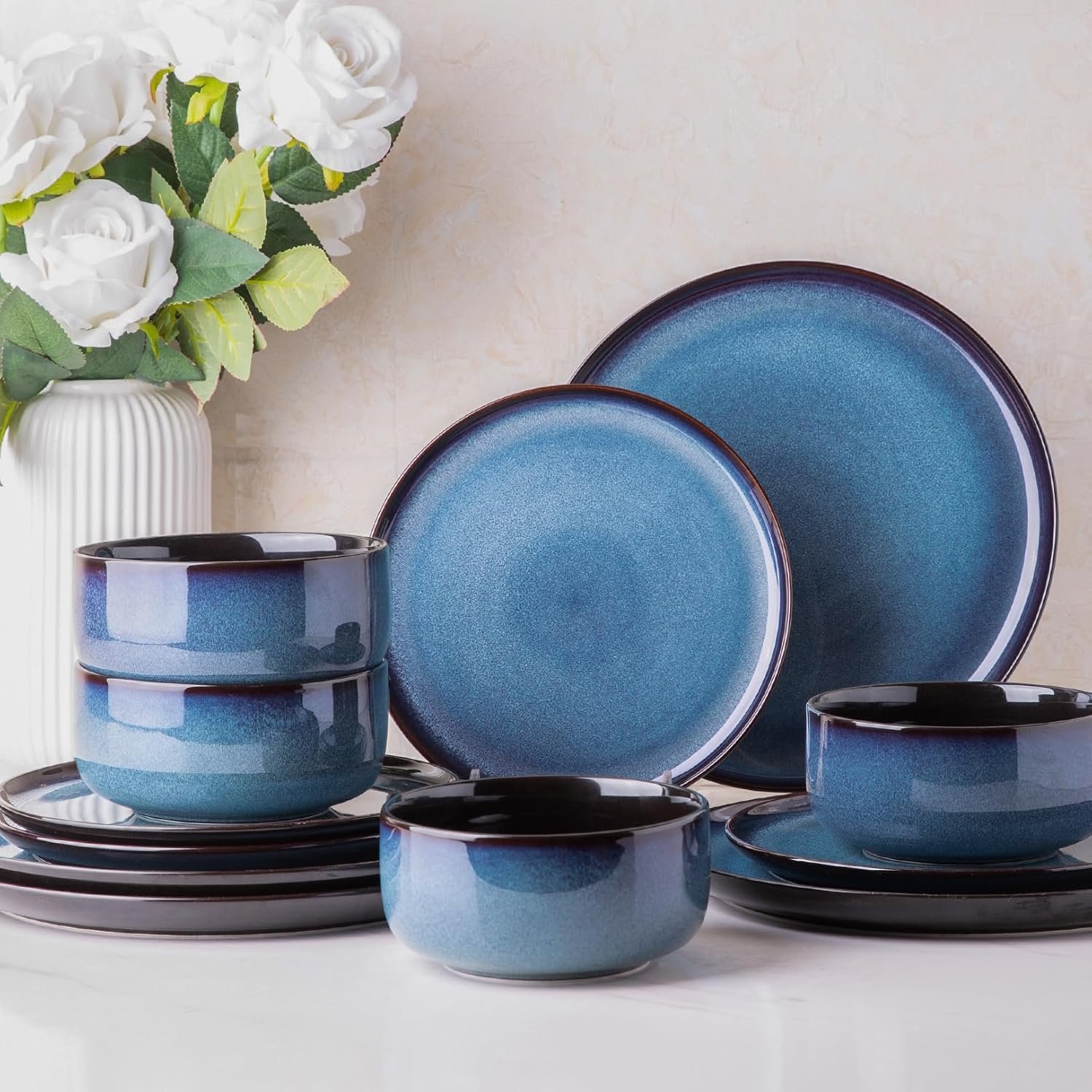
When investing in daily-use dinnerware, the longevity and safety of your dishes rely heavily on the invisible science of pottery. At Cerlum1384, we understand that aesthetics must be paired with enduring functionality. The modern kitchen demands convenience, but not all ceramics are created equal when exposed to the extreme environments of a standard dishwasher. Understanding the interplay between the clay body and its protective surface coating is essential for consumers who want to avoid chipping, cracking, or toxic leaching.
Table of Contents
- Understanding the Science of Dishwasher Safe Ceramics
- What Makes a Ceramic Glaze High Quality?
- How to Tell if Your Ceramic Bowls are Truly Dishwasher Safe
- The Impact of Dishwasher Detergents and Heat on Glaze
- Expert Tips for Maintaining Your Quality Ceramic Bowls
- Why Choose Cerlum1384 for Your Ceramic Dinnerware Needs?
Understanding the Science of Dishwasher Safe Ceramics
The Role of Vitrification in Ceramic Durability
The secret to a durable, wash-friendly ceramic bowl lies in a process called vitrification. Vitrification occurs during the kiln firing process when the temperatures reach a point high enough to melt the silica within the clay, effectively turning it into glass. This structural transformation closes the microscopic pores in the clay, rendering it completely waterproof even before a glaze is applied. If a piece of pottery is not fully vitrified, moisture from the dishwasher can seep into the unglazed foot of the bowl, expanding upon heating and causing the piece to crack or shatter. High-quality dinnerware will always prioritize full vitrification to ensure absolute structural integrity under thermal stress.
High-Fire vs. Low-Fire Clay Bodies
Not all clay bodies are suitable for the rigorous environment of an automatic dishwasher. Earthenware, a common low-fire clay, remains highly porous and relies entirely on its glaze to keep moisture out. Conversely, stoneware and porcelain are high-fire clays, baked at extreme temperatures (often exceeding 2,200°F or 1,200°C). These materials inherently possess the strength and density required to resist thermal shock. When shopping for dishwasher safe ceramic bowls, identifying the type of clay used is just as critical as inspecting the glaze.
| Ceramic Type | Firing Temperature | Porosity | Dishwasher Suitability |
|---|---|---|---|
| Earthenware | Low (1,700°F – 1,900°F) | High (Porous) | Not Recommended (Prone to chipping and water logging) |
| Stoneware | High (2,100°F – 2,300°F) | Low (Dense) | Highly Recommended (Durable and chip-resistant) |
| Porcelain | Very High (2,300°F – 2,600°F) | None (Fully Vitrified) | Excellent (Maximum durability and thermal resistance) |
What Makes a Ceramic Glaze High Quality?
Chemical Bonding and Glaze Stability
A high-quality ceramic glaze is not merely a coat of paint; it is a complex formulation of silica, fluxes, and alumina that melts and chemically bonds with the clay body during firing. This integration creates a seamless, impenetrable barrier. A stable glaze will expand and contract at the exact same rate as the underlying clay when exposed to rapid temperature changes, a property known as “thermal fit.” If the thermal fit is poor, the glaze will suffer from crazing—a network of fine hairline cracks that not only compromise the structural integrity but also create breeding grounds for bacteria.
Identifying Lead-Free and Non-Toxic Glazes
Health and safety are paramount when evaluating ceramic dinnerware. Historically, lead and cadmium were used in glazes to achieve bright, vibrant colors and a smooth finish at lower firing temperatures. However, when subjected to the highly acidic environments of certain foods or the harsh, alkaline environment of dishwasher detergents, these toxic heavy metals can leach out of the glaze and into your meals. A hallmark of superior ceramic craftsmanship is the strict adherence to non-toxic, lead-free, and cadmium-free glaze formulations, rigorously tested to meet FDA and international safety standards.
How to Tell if Your Ceramic Bowls are Truly Dishwasher Safe
The Manufacturer’s Mark (Bottom Stamp)
The most reliable indicator of a bowl’s suitability for automatic washing is the manufacturer’s backstamp, typically located on the unglazed foot or base of the item. Reputable brands explicitly stamp their products with designations such as “Dishwasher Safe” or “Microwave Safe.” This mark serves as a guarantee that the product has undergone rigorous quality control testing for thermal shock resistance and glaze durability. If a bowl lacks this specific marking, or simply states “Hand Wash Only,” attempting to clean it in a machine could lead to irreversible damage.
Visual Cues: Crazing, Pitting, and Exposed Clay
If you are evaluating artisanal or vintage pottery where backstamps may be absent, careful visual inspection is necessary. Look closely at the surface under a bright light. A quality, wash-friendly glaze should be entirely smooth, glass-like, and uninterrupted. Watch out for pitting (tiny pinholes in the glaze where air escaped during firing) or thin spots where the raw clay is exposed. These imperfections act as entry points for high-pressure water and detergents, which can slowly erode the clay from the inside out and compromise the piece.
The Impact of Dishwasher Detergents and Heat on Glaze
Thermal Shock and Glaze Expansion
Why do ceramic bowls crack in the dishwasher? The primary culprit is thermal shock. A typical dishwasher cycle alternates between cold water rinses and scalding hot washes, culminating in a high-heat drying cycle. When ceramic materials undergo rapid temperature fluctuations, they expand and contract. If a bowl is crafted from low-fire clay or features an unstable glaze, this rapid movement creates immense internal stress. High-quality stoneware and porcelain are engineered with a low coefficient of thermal expansion, meaning they barely alter their physical state during these intense temperature shifts, thereby preventing catastrophic failure.
Abrasive Detergents and Surface Dullness
Modern dishwasher detergents are highly effective at breaking down stubborn food particles, but they achieve this through the use of potent enzymes, alkaline salts, and abrasive agents. Over time, these harsh chemicals can act like microscopic sandpaper on inferior glazes, causing what was once a glossy finish to become dull, scratched, and cloudy. Premium glazes contain a higher concentration of silica and alumina, granting them a robust hardness that resists chemical etching and maintains a pristine, lustrous appearance even after hundreds of wash cycles.
Expert Tips for Maintaining Your Quality Ceramic Bowls
Even the most durable, dishwasher safe ceramic bowls benefit from proper care to maximize their lifespan. When loading your dishwasher, ensure that ceramic items are spaced adequately apart; the force of the water jets can cause dishes to rattle against one another, leading to mechanical chipping on the rims. Furthermore, try to use a mild or eco-friendly dishwasher detergent that minimizes the use of harsh abrasives and heavy bleach. Lastly, allow your ceramics to cool down inside the dishwasher before removing them, as pulling a hot bowl into a cold, air-conditioned room can unnecessarily stress the glaze.
Why Choose Cerlum1384 for Your Ceramic Dinnerware Needs?
At Cerlum1384, our commitment to exceptional craftsmanship ensures that every ceramic bowl we produce meets the highest standards of beauty, safety, and modern convenience. We utilize premium high-fire stoneware and porcelain clays, paired with expertly formulated, 100% lead-free glazes to guarantee complete vitrification and thermal stability. Whether you are hosting an elegant dinner party or simply enjoying a quick weekday meal, our dinnerware is engineered to withstand the rigors of daily use and automatic dishwashing without ever losing its radiant finish. Explore our official website at https://cerlum1384.com to discover ceramics where timeless artistry seamlessly meets everyday durability.