
Best Porcelain Tea Infuser Mugs for Loose Leaf Tea Lovers (2026)
What is the best porcelain tea infuser mug? The best porcelain tea infuser mug for loose leaf tea lovers combines a high-fired, lead-free ceramic body for exceptional heat retention with an ultra-fine

What is the best porcelain tea infuser mug? The best porcelain tea infuser mug for loose leaf tea lovers combines a high-fired, lead-free ceramic body for exceptional heat retention with an ultra-fine, food-grade stainless steel strainer. In 2026, top-tier models feature a spacious infuser basket that allows whole tea leaves to fully expand, an ergonomic heat-resistant handle, and a multi-functional lid that serves to trap steam during steeping and acts as a drip-catching coaster afterward. High-quality porcelain ensures zero flavor absorption, guaranteeing a pure, untainted cup of tea every single brew.
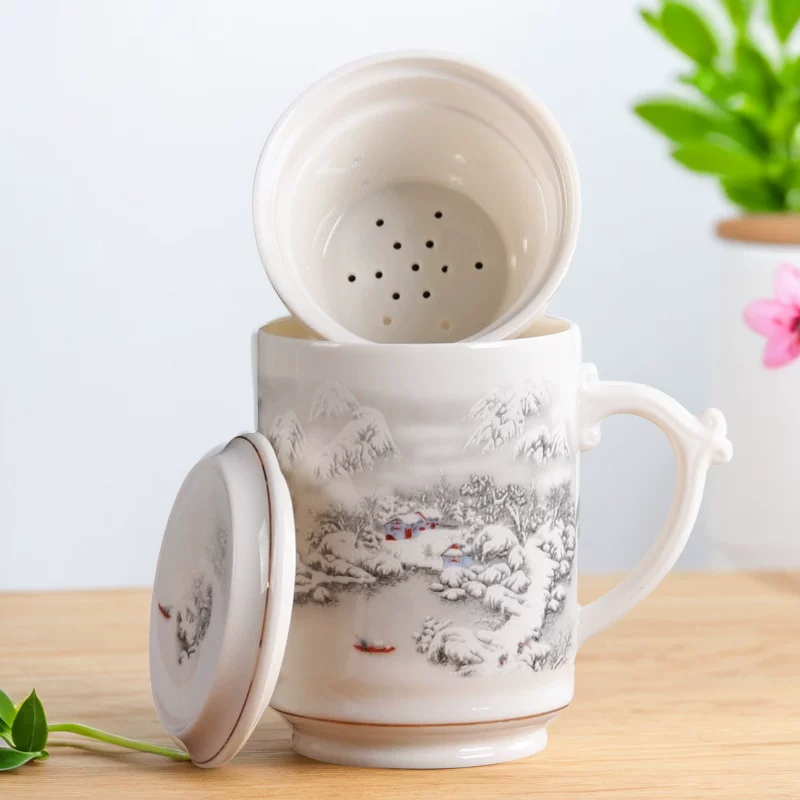
For tea enthusiasts, the ritual of brewing loose leaf tea is a cherished daily practice that requires the right equipment to achieve the perfect balance of aroma and flavor. As we step into 2026, the market has evolved, moving away from fragile glass and heavy cast iron towards highly refined porcelain. Brought to you by the experts at cerlum1384.com, this comprehensive guide explores the structural nuances, aesthetic brilliance, and functional superiority of the top ceramic steeping cups available today. We have analyzed the leading market options to provide you with an authoritative perspective on selecting the perfect brewing vessel.
Navigating the sheer volume of tea accessories can be overwhelming. Whether you are brewing a delicate silver needle white tea or a robust Assam black tea, the interplay between your mug’s material, the infuser’s design, and the water temperature dictates the quality of your extraction. This article will dissect the essential features, compare materials, and answer the most pressing questions to ensure you make an informed, lifelong investment in your tea-drinking experience.
Table of Contents
- Why Choose Porcelain for Brewing Loose Leaf Tea?
- Key Features to Look for in a Tea Infuser Mug
- Top Rated Porcelain Tea Infuser Mugs of 2026
- How to Properly Use and Care for Your Ceramic Steeping Cup
- Porcelain vs. Alternative Materials: A Comparative Analysis
- Frequently Asked Questions About Tea Infuser Mugs
Why Choose Porcelain for Brewing Loose Leaf Tea?
Porcelain has been revered for centuries in traditional tea cultures, and its dominance continues into 2026 for highly scientific reasons. Unlike porous materials like earthenware or certain lower-grade ceramics, high-fired porcelain is entirely vitrified. This means the surface is glass-like and non-porous, preventing it from absorbing the tannins, essential oils, or lingering flavors of previous brews. When you switch from a smoky Lapsang Souchong to a delicate Jasmine green tea, a simple wash ensures your porcelain mug provides a completely blank sensory canvas.
Furthermore, porcelain offers superior thermal dynamics for steeping loose leaf tea. The dense molecular structure of high-fired ceramic provides excellent heat retention, ensuring that your water temperature remains stable during the crucial 3 to 5-minute steeping window. Stable temperatures are paramount for extracting the complex polyphenols and amino acids from the tea leaves without prematurely shocking them into releasing bitter astringency. Your tea stays hotter for longer, allowing you to savor the beverage at a leisurely pace.
From a health and safety perspective, premium porcelain is incredibly reliable. Leading manufacturers, including those curated by cerlum1384.com, utilize strict lead-free and cadmium-free glazes. In an era where consumers are acutely aware of microplastics and chemical leaching from synthetic materials, porcelain stands as a bastion of purity. It is a natural, earth-derived material that, when fired at temperatures exceeding 1,200°C (2,192°F), becomes incredibly durable, microwave-safe, and highly resistant to thermal shock.
Key Features to Look for in a Tea Infuser Mug
Not all loose leaf tea cups are created equal. Identifying the best product requires looking beyond the beautiful exterior glazes and examining the engineering of the mug’s components. A truly exceptional tea infuser mug operates as an integrated brewing system, where the mug, the strainer, and the lid work in perfect harmony to facilitate a flawless extraction.
Infuser Design: Micro-Perforated Stainless Steel vs. Ceramic
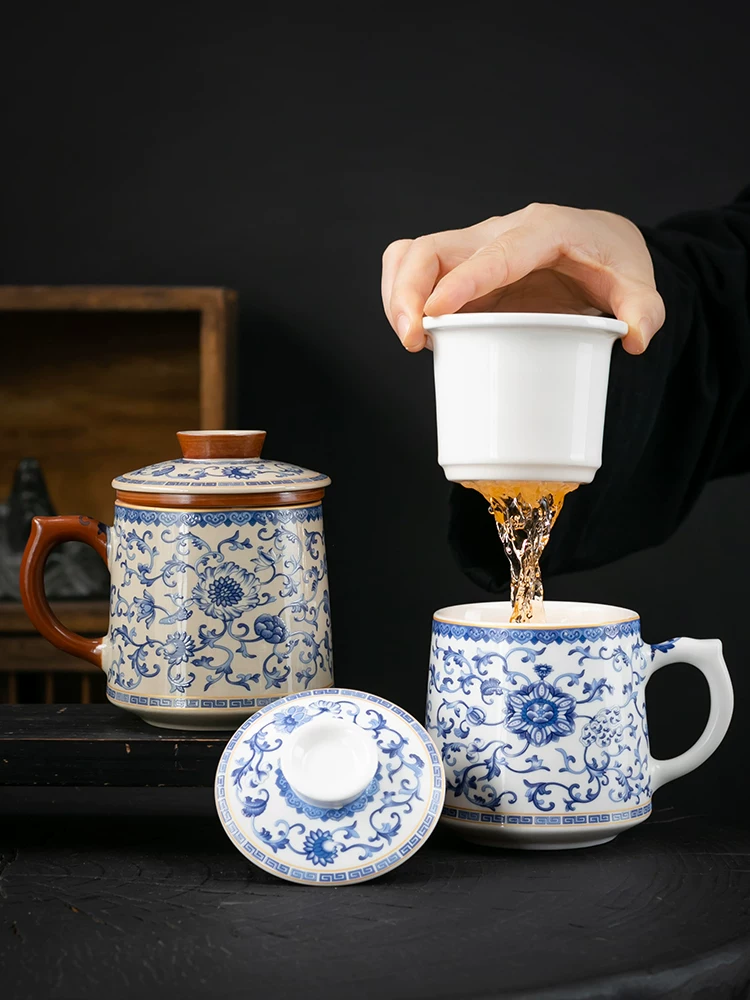
The infuser, or strainer, is the engine of your tea mug. In 2026, the gold standard is the laser-cut, micro-perforated 304 or 316-grade stainless steel infuser. These infusers feature holes small enough to contain ultra-fine rooibos or broken-leaf black teas while allowing water to flow freely. The spatial volume of the infuser basket is equally critical; it must plunge deep into the mug and offer a wide diameter. This generous space allows rolled oolongs and large white tea leaves the necessary room to undergo the “agony of the leaves”—the process where leaves unfurl and expand to release their full flavor profile.
Alternatively, some traditionalists prefer ceramic infusers. While visually cohesive and entirely free of metallic interaction, ceramic strainers typically have larger, hand-punched holes. This makes them ideal for large-leaf teas like whole chamomile flowers or tightly rolled Tieguanyin, but less suitable for finely milled teas like CTC (Crush, Tear, Curl) blends. The choice between metal and ceramic ultimately depends on your primary tea preference, though stainless steel offers unmatched versatility.
Ergonomics: Handle Comfort and Mug Capacity
A mug’s ergonomics heavily dictate its daily usability. The best porcelain tea infuser mugs feature a carefully contoured, generously sized handle that accommodates at least three fingers, keeping your knuckles safely away from the hot ceramic body. A well-designed handle balances the weight of the mug when it is filled to the brim, reducing wrist strain and preventing accidental spills. The center of gravity should feel stable, anchored by a slightly widened, unglazed base that grips the tabletop securely.
Capacity is another crucial consideration. The standard size for an optimal personal brewing experience ranges from 12 to 16 ounces (approx. 350ml to 470ml). This capacity is large enough to provide a satisfying serving without the tea growing cold before you finish it. Larger capacities allow for optimal dilution ratios, preventing the brew from becoming overly concentrated if you slightly over-steep the leaves.
The Multi-Functional Lid
Often overlooked, the lid plays a dual role that elevates a simple mug into a professional brewing apparatus. During the steeping process, the porcelain lid traps rising steam, maintaining the ambient temperature within the mug and preventing the volatile aromatic compounds from escaping into the air. These captured essential oils condense on the underside of the lid and drip back into the brew, intensifying the tea’s flavor and fragrance.
Once the steeping time is complete, the lid reveals its second function. By flipping it upside down, it serves as a perfectly sized coaster for the wet infuser basket. This prevents puddles on your desk or table and makes the transition from brewing to drinking seamless and mess-free. Precision-engineered lids will fit snugly over the infuser ring, featuring a slight lip to catch any residual liquid.
Top Rated Porcelain Tea Infuser Mugs of 2026
The current landscape of premium tea ware emphasizes a blend of minimalist aesthetics and robust functionality. High-end offerings frequently feature reactive glazes—where the kiln’s heat creates unique, unrepeatable patterns on the porcelain—ensuring that every mug is an individual piece of functional art. Brands are increasingly focusing on sustainability, utilizing eco-friendly kiln firing methods and recyclable packaging.
When browsing selections, such as the exquisite collections highlighted at cerlum1384.com, you will notice a trend toward tall, cylindrical designs that maximize vertical space for the infuser basket. Models featuring an ultra-fine etched stainless steel basket with a silicone rim have gained massive popularity. The silicone gasket ensures a quiet, scratch-free fit against the porcelain and prevents the rim from becoming too hot to touch when removing the infuser.
Another highly sought-after variant in 2026 is the textured matte porcelain finish. Unlike high-gloss glazes, the matte finish provides a tactile, non-slip grip and a sophisticated, modern aesthetic. These mugs often pair with a contrasting glossy interior, usually white or light cream, which allows the tea drinker to accurately gauge the liquor’s color and strength—a vital visual cue for seasoned tea masters.
How to Properly Use and Care for Your Ceramic Steeping Cup
Maintaining the pristine condition of your porcelain tea infuser mug ensures longevity and a consistently pure tasting experience. To begin brewing, warm your porcelain mug by rinsing it with hot water before adding your tea and infuser. This prevents thermal shock and keeps your steeping temperature consistent. Add the appropriate measure of loose leaf tea into the basket, pour your heated water in a circular motion to saturate all the leaves, and immediately cover with the lid.
After enjoying your tea, prompt cleaning is highly recommended. While high-quality porcelain is dishwasher safe, hand washing with warm water and a mild, unscented detergent is the best practice to maintain the glaze’s integrity over decades. Avoid abrasive scouring pads, as they can create micro-scratches where tea stains might settle.
To clean the micro-perforated stainless steel infuser, empty the spent leaves into the compost and immediately rinse the basket under strong running water from the outside in. If tea oils begin to build up over time or holes become clogged, a simple soak in a solution of warm water and baking soda, followed by a gentle scrub with a soft-bristled toothbrush, will restore the infuser to its original, gleaming state.
Porcelain vs. Alternative Materials: A Comparative Analysis
Understanding why porcelain reigns supreme requires a direct comparison with other popular materials on the market. While glass, cast iron, and stainless steel all have their places in the tea world, they often present specific drawbacks when used as a daily, personal steeping mug.
| Feature | Porcelain (Ceramic) | Borosilicate Glass | Stainless Steel |
|---|---|---|---|
| Heat Retention | Excellent; keeps tea warm for extended periods. | Poor; loses heat rapidly unless double-walled. | Superior (if vacuum insulated), but can make tea too hot to drink. |
| Flavor Purity | Neutral; does not absorb or alter flavors. | Neutral; excellent for visual appreciation. | Can occasionally impart a metallic taste to lighter teas. |
| Durability | High; resistant to scratches, though breakable if dropped. | Low; highly fragile and prone to chipping. | Indestructible; ideal for travel. |
| Aesthetics | Artisanal, wide variety of glazes and textures. | Modern, transparent, shows the liquor color. | Utilitarian, industrial look. |
As the table illustrates, porcelain offers the best compromise between aesthetic beauty, functional heat retention, and absolute flavor purity. Glass may offer the visual joy of watching leaves unfurl, but the rapid heat loss leads to an underwhelming extraction for teas that require high temperatures. Stainless steel mugs are excellent for commuting but lack the traditional, comforting feel of ceramic that enhances the mindful ritual of a tea break.
Frequently Asked Questions About Tea Infuser Mugs
What is the best material for a tea mug?
High-fired porcelain remains the best material for a tea mug. It is naturally non-toxic, provides superb thermal insulation to maintain brewing temperatures, and its non-porous glaze ensures that zero residual flavors are transferred between different types of tea. It combines practical durability with centuries of artisanal tradition.
How do you use a porcelain tea infuser?
Using a porcelain tea infuser is simple: place the metal or ceramic strainer inside the mug, add 1 to 2 teaspoons of your favorite loose leaf tea, and pour hot water directly over the leaves. Place the lid on top to trap the heat and volatile oils. Let it steep for the recommended time (e.g., 3 minutes for green tea, 5 minutes for herbal). Remove the lid, flip it upside down to serve as a coaster, and pull out the infuser basket to stop the brewing process.
Can I put my porcelain tea mug in the microwave?
Yes, the porcelain mug itself and the porcelain lid are generally microwave safe. However, you must never put the stainless steel infuser basket in the microwave, as metal will cause arcing and damage your appliance. Always heat your water in the mug first, remove it from the microwave, and then insert the metal infuser with the tea leaves.
Are all ceramic mugs safe from lead?
While the vast majority of modern, commercially available porcelain and ceramic mugs are strictly regulated, it is always best to purchase from reputable sources. Look for products that explicitly state they are lead-free and cadmium-free. Brands featured and verified by specialists like cerlum1384.com adhere to rigorous international food-safety standards.
In conclusion, elevating your daily tea ritual in 2026 starts with selecting the right vessel. The best porcelain tea infuser mugs seamlessly blend timeless material science with modern, precision-engineered straining technology. By prioritizing factors like infuser hole size, handle ergonomics, and lid functionality, you can transform a simple cup of hot water and leaves into an extraordinary, cafe-quality sensory experience right in the comfort of your home.