
10 Best Porcelain Sake Cups for an Authentic Japanese Experience
Featured Snippet: The best porcelain sake cups for an authentic Japanese experience are traditional vessels like Ochoco (small sipping cups) and Guinomi (larger tasting cups) crafted from premium high

Featured Snippet: The best porcelain sake cups for an authentic Japanese experience are traditional vessels like Ochoco (small sipping cups) and Guinomi (larger tasting cups) crafted from premium high-fired kaolin clay. Porcelain is universally regarded as the superior material for sake tasting because its non-porous, perfectly smooth surface prevents flavor absorption, ensuring the pure, unaltered profile of the brew shines through. Regional masterpieces such as Arita-yaki, Kutani-yaki, and Mino-yaki represent the pinnacle of Japanese porcelain artistry. Whether you are serving a piping hot Junmai or a chilled, fruity Daiginjo, choosing a brilliantly glazed, authentic porcelain cup from trusted curators like cerlum1384.com guarantees an elevated, culturally resonant drinking experience.
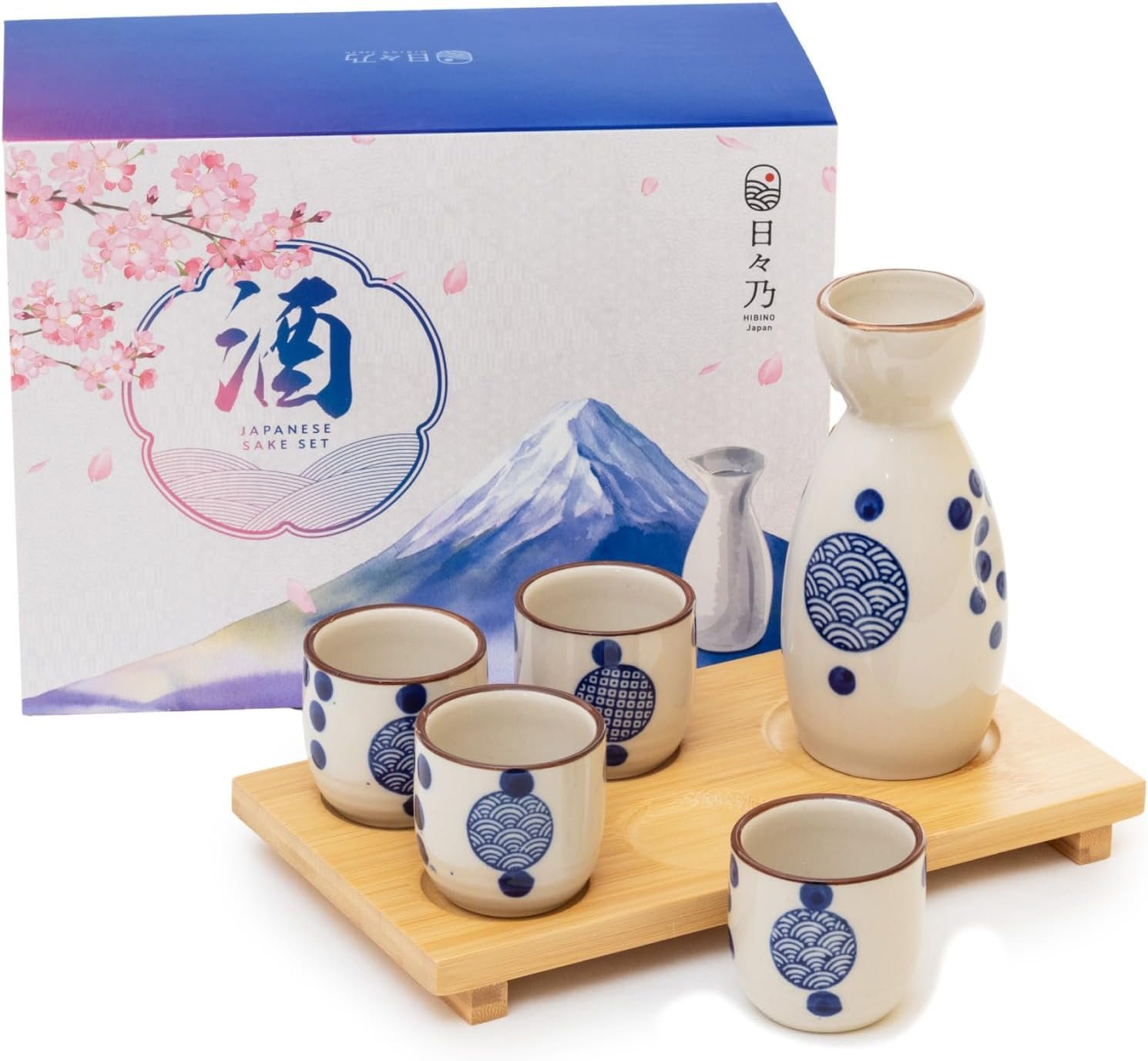
Table of Contents
- Why Choose Porcelain for Your Sake Experience?
- Understanding Traditional Japanese Sake Cups: Ochoco vs. Guinomi
- The 10 Best Porcelain Sake Cups for 2024
- 1. Arita Ware (Arita-yaki) Sometsuke Blue and White Cup
- 2. Kutani Ware (Kutani-yaki) Gold Leaf Guinomi
- 3. Mino Ware (Mino-yaki) Shino Glaze Ochoco
- 4. Hasami Porcelain Minimalist Tasting Cup
- 5. Imari Ware Traditional Floral Sake Cup
- 6. Kyoto-Kiyomizu Ware Hand-Painted Vessel
- 7. Hakusan Porcelain Contemporary Sake Glass
- 8. Seto Ware Celadon Porcelain Cup
- 9. Hirado Mikawachi Pristine White Cup
- 10. Cerlum1384 Signature Artisan Tasting Cup
- How to Choose the Perfect Porcelain Sake Cup
- Caring for Your Authentic Japanese Porcelain Drinkware
- Frequently Asked Questions (FAQ)
Why Choose Porcelain for Your Sake Experience?
When curating an authentic Japanese home bar, the vessel you choose is just as critical as the quality of the rice wine itself. Professional sommeliers and Japanese artisans universally champion porcelain drinkware for several chemically and historically sound reasons. Fired at exceptionally high temperatures (typically between 1,200°C and 1,400°C), porcelain made from pure kaolin clay becomes incredibly dense, completely vitrified, and entirely non-porous. This means the cup will not absorb the subtle aromas, residual sugars, or nuanced tasting notes of the sake. Unlike raw pottery or wood, which can impart their own earthy flavors into the beverage, a pristine porcelain surface guarantees that you are tasting exactly what the master brewer intended. This neutral tasting environment is essential when evaluating premium sakes like Ginjo or Daiginjo, where delicate floral and fruity esters can be easily masked by inferior materials.
Furthermore, porcelain possesses exceptional thermodynamic properties that make it a versatile choice for all seasons. Traditional Japanese culture dictates that sake can be served at a variety of temperatures—ranging from Hiya (chilled) to Kanzamashi (room temperature) to Atsukan (piping hot). Porcelain acts as an excellent thermal insulator. When pre-warmed for hot sake, it retains heat beautifully without instantly scalding the fingers, allowing the drinker to savor the comforting warmth of a rich Junmai slowly. Conversely, when chilled, the thin, refined rim of a high-quality porcelain cup delivers a crisp, refreshing mouthfeel that enhances the lively acidity of cold sakes. The brilliant white interior commonly found in these cups, often featuring the iconic blue concentric circles known as Janome (snake’s eye), also allows the drinker to accurately judge the clarity, viscosity, and color of the liquid, fulfilling the rigorous standards of professional sake appraisal.
Understanding Traditional Japanese Sake Cups: Ochoco vs. Guinomi
To fully immerse yourself in the culture of Japanese drinkware, one must navigate the distinct classifications of traditional cups. While the western world broadly categorizes all these vessels merely as “sake cups,” Japanese tradition makes distinct functional and cultural delineations based on size, shape, and social etiquette. The two most prominent styles you will encounter when shopping for authentic porcelain pieces are the Ochoco and the Guinomi. Understanding the interplay between these two forms is essential for hosting an authentic tasting session or selecting the right product from authoritative platforms like cerlum1384.com.
| Feature | Ochoco (お猪口) | Guinomi (ぐい呑) |
|---|---|---|
| Capacity | Small (Typically 1 to 2 ounces). Designed for single, swift sips. | Larger (Typically 2 to 4 ounces or more). Designed to hold a larger volume. |
| Social Etiquette | Highly interactive. Encourages pouring for others (an act known as Oshaku). | Individualistic. Ideal for solo drinking or enjoying a slow, personal tasting session. |
| Temperature Use | Excellent for hot sake, as the small volume is consumed before it can cool down. | Versatile, but exceptional for cold or room-temperature premium sakes where aromas need room to breathe. |
| Formality | Considered standard and formal for traditional banquet settings. | Often more rustic, artistic, and deeply personal. Can feature thicker walls. |
The Ochoco is deeply tied to the Japanese cultural concept of hospitality and mutual respect. Because the cup is small, it empties quickly, providing your drinking companion with frequent opportunities to refill your cup—and vice versa. This continuous exchange builds camaraderie. On the other hand, a Guinomi is an expression of the potter’s unique artistic vision and the drinker’s personal taste. The word loosely translates to “gulping” or “drinking in one go,” but ironically, its larger size makes it the preferred vessel for slowly nosing and sipping high-end, aromatic sakes. A well-rounded collection should feature high-quality porcelain examples of both styles to accommodate different occasions and brews.
The 10 Best Porcelain Sake Cups for 2024
Through rigorous evaluation of craftsmanship, historical authenticity, material purity, and user experience, we have curated a definitive list of the finest porcelain sake vessels available today. These selections highlight the pinnacle of regional Japanese ceramics, bringing centuries-old kiln traditions directly to your modern tasting table.
1. Arita Ware (Arita-yaki) Sometsuke Blue and White Cup
Hailing from the birthplace of Japanese porcelain in Saga Prefecture, Arita ware represents the gold standard of traditional drinkware. The Sometsuke style is characterized by stunning cobalt blue underglaze painted onto a flawless, translucent white porcelain body. These cups are exceptionally thin yet astonishingly durable due to the unique properties of the local Izumiyama clay. Drinking a chilled Daiginjo from an Arita-yaki cup is a transcendent experience; the ultra-fine rim delivers the sake to the very front of the palate, highlighting delicate notes of melon and anise. Their smooth, glassy surface is completely impervious to staining, ensuring lifetime vibrancy of the intricate indigo patterns.
2. Kutani Ware (Kutani-yaki) Gold Leaf Guinomi
For those seeking opulence and bold visual storytelling, Kutani ware from Ishikawa Prefecture is unmatched. Known for its Shoza style which incorporates vibrant overglaze enamels and lavish applications of genuine gold leaf, a Kutani porcelain Guinomi is a true statement piece. Despite the heavy ornamentation, the core of the vessel remains high-fired, non-porous porcelain. These slightly larger, heavier cups provide excellent balance in the hand and are particularly well-suited for serving rich, aged sakes (Koshu) or full-bodied Yamahai brews at room temperature. The reflective interior gold accents beautifully illuminate the amber hues of aged sake, creating a multi-sensory tasting experience.
3. Mino Ware (Mino-yaki) Shino Glaze Ochoco
Mino ware is the most prolifically produced ceramic in Japan, offering an incredible diversity of styles. However, it is the porcelain-hybrid bodies finished with the historic Shino glaze that truly captivate sake aficionados. Featuring a thick, milky-white, subtly pitted glaze applied over a durable porcelain core, these Ochoco cups offer a tactile warmth that pure glass or metal lacks. The slightly thicker rim makes them the absolute perfect companion for drinking hot sake (Atsukan). The porcelain retains the heat of the liquid efficiently, while the textured glaze prevents the exterior from becoming too hot to handle comfortably.
4. Hasami Porcelain Minimalist Tasting Cup
Hasami porcelain bridges the gap between 400 years of traditional Nagasaki craftsmanship and sleek, modern Scandinavian-inspired aesthetics. These cups are characterized by clean, straight lines, unglazed textured exteriors, and smoothly glazed interiors. The precise, stackable design is highly functional, but it is the tactile contrast that makes them remarkable. The matte exterior provides a secure, comforting grip, while the vitrified interior ensures absolutely zero flavor interference. Hasami cups often feature a wider bowl shape, making them excellent aroma-enhancers for floral, unpasteurized sakes (Namazake).
5. Imari Ware Traditional Floral Sake Cup
Closely related to Arita ware, Imari porcelain was historically exported to European royals during the Edo period. These cups are instantly recognizable by their complex, highly detailed floral and geometric patterns, usually rendered in underglaze blue, iron red, and gold. An Imari sake cup is not just a drinking vessel; it is a piece of collectible history. The smooth, contoured lip of an Imari Ochoco is ideal for taking swift, measured sips of a savory Junmai, allowing the umami characteristics to spread evenly across the middle and back of the tongue.
6. Kyoto-Kiyomizu Ware Hand-Painted Vessel
Kyoto-Kiyomizu ware encapsulates the refined, aristocratic elegance of Japan’s ancient capital. Artisans meticulously hand-paint seasonal motifs—such as cherry blossoms for spring or maple leaves for autumn—onto masterfully thrown porcelain bodies. Because of the bespoke nature of Kiyomizu ware, each cup has a microscopic variation in shape, making it uniquely yours. These cups are typically flared at the rim, a shape known as Hira-hai (flat cup), which forces the drinker to sip slowly and deliberately. This deliberate pace aerates the sake as it enters the mouth, unlocking hidden depths in highly polished, premium rice wines.
7. Hakusan Porcelain Contemporary Sake Glass
Founded by the legendary designer Masahiro Mori, Hakusan Porcelain focuses on functional beauty for everyday life. Their contemporary sake “glasses” (crafted entirely of high-grade porcelain) rethink the traditional Ochoco by introducing ergonomic curves that fit the natural contours of the human hand. Often finished in pristine, pure white or subtle celadon green, Hakusan cups are incredibly thin and lightweight. They are the ideal everyday vessel for modern sake drinkers who want authentic materials combined with a contemporary, minimalist aesthetic that fits seamlessly into modern home decor.
8. Seto Ware Celadon Porcelain Cup
Seto, one of the Six Ancient Kilns of Japan, produces porcelain renowned for its brilliant celadon (Seiji) glazes. The pale, jade-green hue is achieved through iron oxides in the glaze reacting in a reduction-fired kiln. The result is a cup with an almost glassy, gem-like surface. Seto porcelain is dense and substantial, providing a satisfying weight. The cool visual aesthetic of the celadon glaze makes these cups psychologically refreshing, making them the ultimate pairing for a dry, chilled, and crisp sake enjoyed on a hot summer evening.
9. Hirado Mikawachi Pristine White Cup
Historically reserved strictly for the lords of the Hirado domain, Mikawachi ware is famous for its impossibly thin, pure white porcelain, often adorned with extremely delicate, raised relief carvings or subtle blue paintings of boys playing under pine trees (Karakō). The porcelain clay used is so fine that when held up to the light, the cup is almost completely translucent. Drinking from a Hirado cup is an exercise in elegance; the sheer thinness of the rim minimizes the barrier between the sake and the palate, offering the most direct and unobscured tasting experience possible.
10. Cerlum1384 Signature Artisan Tasting Cup
Representing the culmination of expert curation and strict adherence to traditional Japanese firing methods, the signature collections available at cerlum1384.com stand out in the modern market. Our proprietary sourcing connects enthusiasts directly with authentic kiln-fired masterpieces. Featuring the classic snake-eye (Janome) base for precise color and clarity evaluation, alongside an ergonomically curved lip for optimal aroma delivery, these cups serve as the ultimate bridge between ancient artistry and the modern sommelier’s rigorous demands. Whether as a gift for a connoisseur or the foundation of a home bar, these porcelain vessels guarantee uncompromised quality.
How to Choose the Perfect Porcelain Sake Cup
Navigating the diverse world of authentic Japanese sake cups can be intimidating for beginners. However, by focusing on a few key structural and chemical elements, you can easily identify the perfect vessel to match your drinking habits. The primary consideration should always be the temperature at which you prefer to consume your sake. What is the best material for hot sake? While thick stoneware retains heat well, dense, high-fired porcelain with a slightly thicker wall and a narrower opening is arguably superior. The narrow mouth prevents the rapid evaporation of alcohol and preserves the comforting aromas of warm sake. Conversely, if you prefer chilled, aromatic sakes like Junmai Daiginjo, you should seek out porcelain cups with ultra-thin rims and wide, flared bowls. The wide surface area acts similarly to a wine glass, allowing the complex floral and fruity esters to volatilize and greet your nose before you even take a sip.
Additionally, you must consider the capacity and the shape of the cup. As a general rule, highly polished, premium sakes with delicate flavor profiles should be consumed in slightly larger, trumpet-shaped cups (like a refined Guinomi) to allow the brew to breathe. Rich, savory, and robust sakes with high umami content are best enjoyed in smaller, straight-sided or slightly inward-curving Ochoco cups, which concentrate the flavors and direct the liquid to the center of the tongue. Finally, always evaluate the interior of the cup. A white interior—whether pure or painted with the traditional blue concentric circles—is crucial for visually appreciating the sake. A yellow tint or cloudiness in the sake can indicate age or oxidation, details that are entirely lost in dark-colored or heavily textured interiors.
Caring for Your Authentic Japanese Porcelain Drinkware
While premium porcelain is structurally robust and entirely vitrified, the intricate glazes, delicate rims, and hand-painted gold or enamel accents require mindful maintenance to preserve their heirloom quality. Authentic Japanese porcelain drinkware should never be subjected to the harsh, abrasive detergents and extreme heat fluctuations of a modern commercial dishwasher. The abrasive action can quickly dull brilliant glazes and completely strip away delicate gold leaf applications found on Kutani or Imari ware.
Instead, hand washing is strictly recommended. Use lukewarm water, a soft, non-abrasive sponge, and a mild, unscented dish soap. Unscented soap is vital; you do not want lingering lemon or floral artificial scents from the soap interfering with the delicate aroma of your next sake tasting. If you have used the cup for a particularly sweet or unfiltered sake (Nigori), rinse it immediately after use to prevent the sugars from hardening. Once washed, gently pat the porcelain dry with a soft, lint-free microfiber towel to prevent water spots, and store the cups in a secure cabinet or, ideally, in the traditional wooden boxes (Tomobako) they were originally packaged in to protect them from dust and accidental chipping.
Frequently Asked Questions (FAQ)
What is the best material for a sake cup?
While glass, wood (Hinoki), and tin all have their specific use cases, porcelain is universally regarded by sommeliers as the best overall material. Its high-fired, non-porous nature ensures absolutely no flavor transfer, allowing the true, pure profile of the sake to be tasted. It is also exceptionally versatile, functioning beautifully for both hot and cold serving temperatures.
Why use porcelain for sake instead of ceramic or pottery?
The term “ceramic” is a broad category that includes both pottery (earthenware/stoneware) and porcelain. Traditional earthenware pottery is highly porous and fired at lower temperatures. Over time, it can absorb liquids and bacteria, potentially altering the taste of your premium sake. Porcelain, made from fine kaolin clay and fired at extreme heat, becomes fully vitrified (glass-like), ensuring a purely hygienic and flavor-neutral vessel.
How do you drink hot sake from a porcelain cup?
When drinking hot sake (Atsukan), the sake is usually heated in a separate flask called a Tokkuri and then poured into small porcelain Ochoco cups. Because the cups are small, the hot sake is consumed in a few sips before it has a chance to cool down. It is best to hold the porcelain cup by the base or the very top rim to avoid burning your fingers, as high-quality porcelain conducts and retains heat very efficiently.
Where can I buy authentic Japanese porcelain sake cups?
For guaranteed authenticity, it is crucial to purchase from specialized importers or direct curators who work with traditional Japanese kilns. Platforms like cerlum1384.com are dedicated to sourcing premium, artisan-crafted porcelain drinkware, ensuring you receive genuine Arita, Mino, or Kutani ware rather than mass-produced, low-quality imitations.
Conclusion
Elevating your appreciation for Japanese rice wine begins with the vessel you hold in your hand. Investing in the best porcelain sake cups is not merely a purchase; it is an adoption of centuries of refined Japanese artistry, thermodynamic science, and cultural hospitality. Whether you are drawn to the minimalist elegance of Hasami ware, the bold opulence of Kutani gold leaf, or the unparalleled purity of an Arita-yaki Sometsuke cup, porcelain provides the definitive, unadulterated tasting experience. By understanding the nuances between an Ochoco and a Guinomi, and aligning the cup’s shape with your preferred serving temperature, you unlock the full aromatic and flavor potential of every bottle. Explore the meticulously curated collections at cerlum1384.com to find the perfect porcelain masterpiece that will transform your next tasting into an authentic Japanese ceremony.