Cerlum1384 Brand Introduction

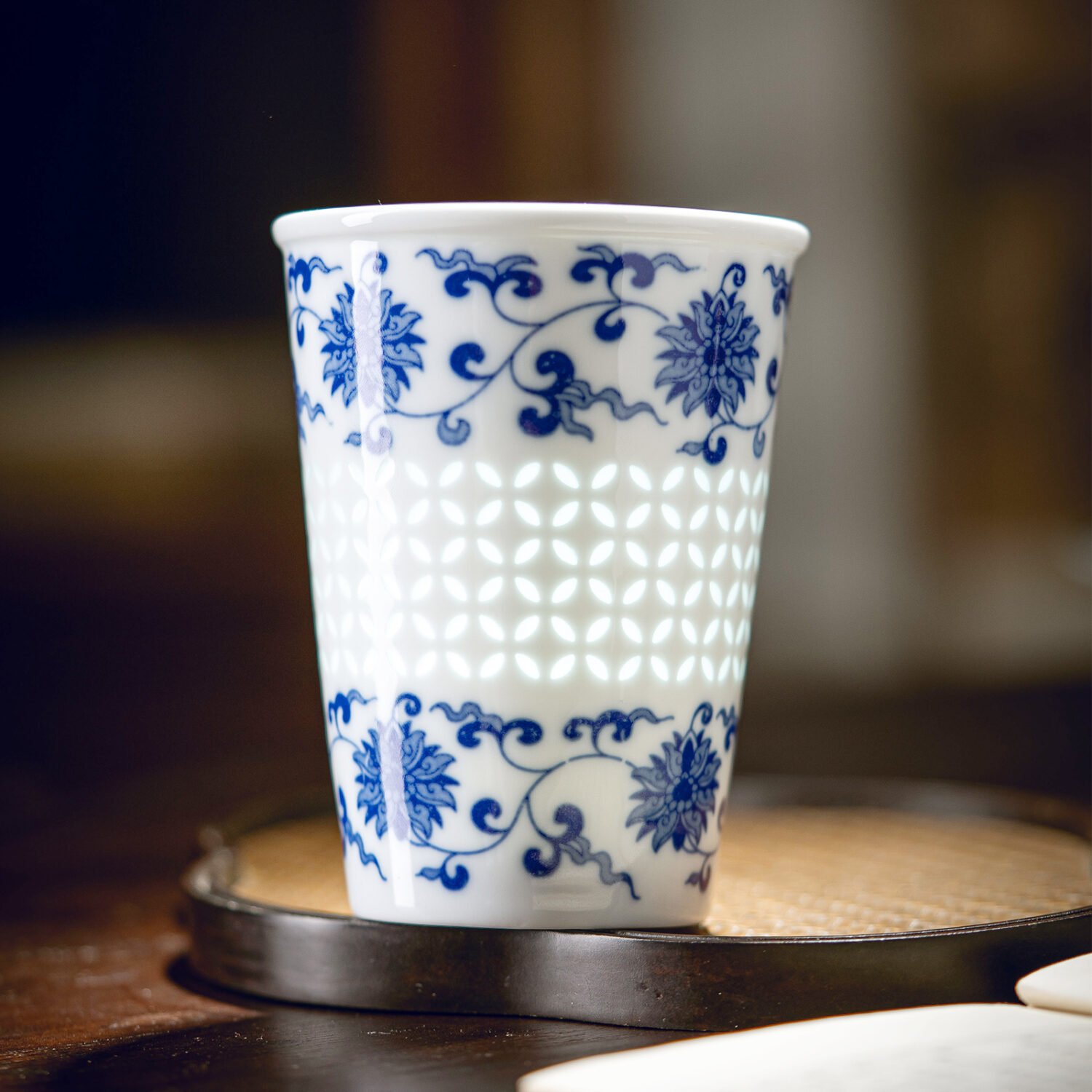
The history of ancient Chinese porcelain traces back to Neolithic pottery civilizations, with the pivotal leap from pottery to porcelain achieved during the Eastern Han Dynasty (25–220 CE), marking the birth of mature celadon. Evolving through the Wei, Jin, Southern, and Northern Dynasties, the Tang Dynasty gained global fame for its vibrant Tri-color Glazed Pottery (Tang Sancai). The Song Dynasty then ushered in a golden age of porcelain art, establishing the revered “Five Great Kilns” (Ru, Guan, Ge, Jun, Ding)—renowned for their温润 glazes and timeless elegance, which set the aesthetic benchmark for Chinese porcelain. The Yuan Dynasty pioneered blue-and-white porcelain, captivating the world with its vivid cobalt hues and intricate motifs. The Ming Dynasty introduced bold five-color and doucai porcelain, while the Qing Dynasty elevated craftsmanship with famille rose and enameled porcelain, blending Chinese and Western techniques to embody imperial luxury. Together, these styles form the millennium-old legacy of Chinese porcelain as a “carrier of culture.”

Jingdezhen’s imperial heritage further cements its stature. Designated as an imperial kiln site during the Song Dynasty’s Jingde era (1004–1007), it became the exclusive producer of royal porcelain, with “Imperial Kiln Factories” established in the Yuan, Ming, and Qing Dynasties. Its wares—such as the Ming Yongle blue-and-white “Yashoubei” cup, Xuande blue-and-white flat vase with sea wave dragon patterns, and Qing Kangxi enameled porcelain—are revered as national treasures, embodying imperial power and cultural prestige.

This official endorsement and technical mastery made Jingdezhen porcelain a cornerstone of global cultural exchange. During the Ming and Qing Dynasties, it traveled via the Maritime Silk Road to Europe, where European royalty hailed it as “white gold.” Today, these masterpieces remain centerpieces in top museums worldwide, solidifying Jingdezhen’s reputation as “the pinnacle of global ceramic art.”

The history of ancient Chinese porcelain traces back to Neolithic pottery civilizations, with the pivotal leap from pottery to porcelain achieved during the Eastern Han Dynasty (25–220 CE), marking the birth of mature celadon. Evolving through the Wei, Jin, Southern, and Northern Dynasties, the Tang Dynasty gained global fame for its vibrant Tri-color Glazed Pottery (Tang Sancai). The Song Dynasty then ushered in a golden age of porcelain art, establishing the revered “Five Great Kilns” (Ru, Guan, Ge, Jun, Ding)—renowned for their温润 glazes and timeless elegance, which set the aesthetic benchmark for Chinese porcelain. The Yuan Dynasty pioneered blue-and-white porcelain, captivating the world with its vivid cobalt hues and intricate motifs. The Ming Dynasty introduced bold five-color and doucai porcelain, while the Qing Dynasty elevated craftsmanship with famille rose and enameled porcelain, blending Chinese and Western techniques to embody imperial luxury. Together, these styles form the millennium-old legacy of Chinese porcelain as a “carrier of culture.”

Jingdezhen’s imperial heritage further cements its stature. Designated as an imperial kiln site during the Song Dynasty’s Jingde era (1004–1007), it became the exclusive producer of royal porcelain, with “Imperial Kiln Factories” established in the Yuan, Ming, and Qing Dynasties. Its wares—such as the Ming Yongle blue-and-white “Yashoubei” cup, Xuande blue-and-white flat vase with sea wave dragon patterns, and Qing Kangxi enameled porcelain—are revered as national treasures, embodying imperial power and cultural prestige.

This official endorsement and technical mastery made Jingdezhen porcelain a cornerstone of global cultural exchange. During the Ming and Qing Dynasties, it traveled via the Maritime Silk Road to Europe, where European royalty hailed it as “white gold.” Today, these masterpieces remain centerpieces in top museums worldwide, solidifying Jingdezhen’s reputation as “the pinnacle of global ceramic art.”

Maybe you like